Annasaheb P. K. Patil
Freedom-movement participant, cooperator and educator (1923–2014). In 1969 he founded the Mandal so that higher education could reach Shahada and the tribal areas around it — and people here call him Sahakar Maharshi and Shikshan Maharshi.
Four ideals
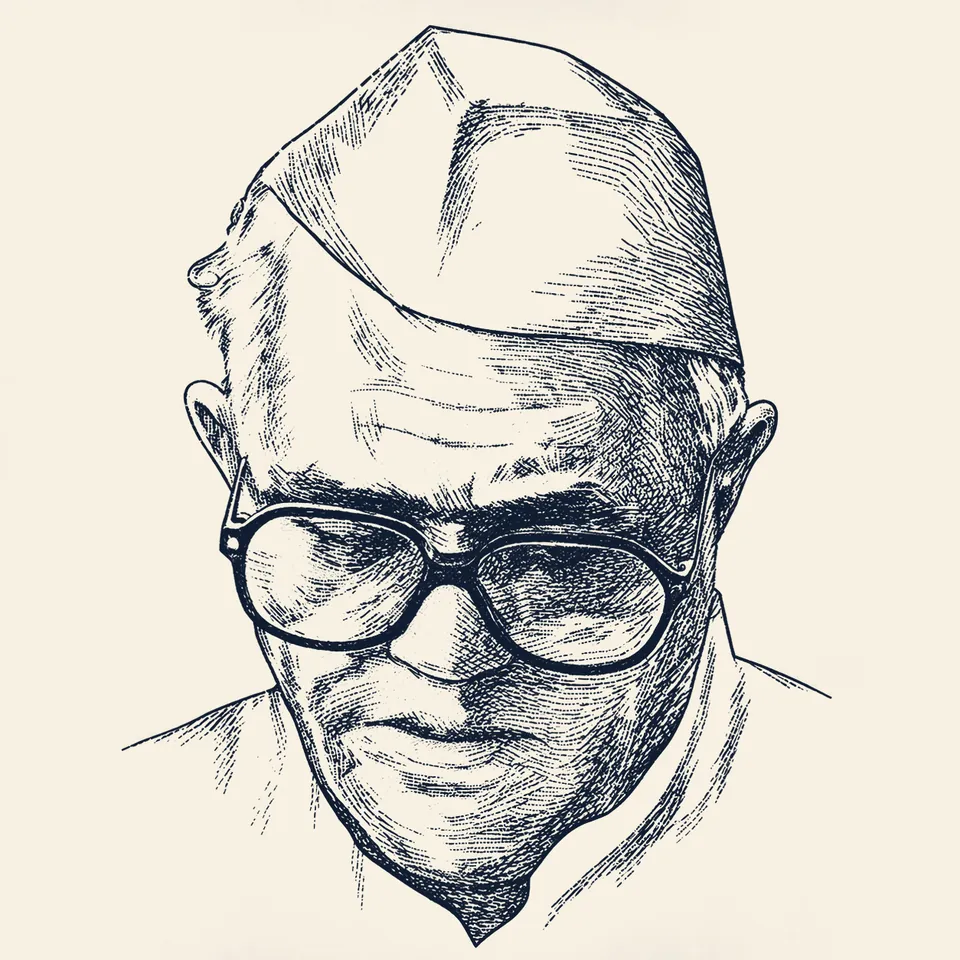
Annasaheb's biographical record names four personalities whom he respected as his ideals: Sane Guruji, Mahatma Gandhi, Sardar Vallabhbhai Patel and Lok Nayak Jayaprakash Narayan. They are described as sharing a similar philosophy of life, above all a commitment to society and a transparent character.
-
 Guide and namesake
Sane Guruji
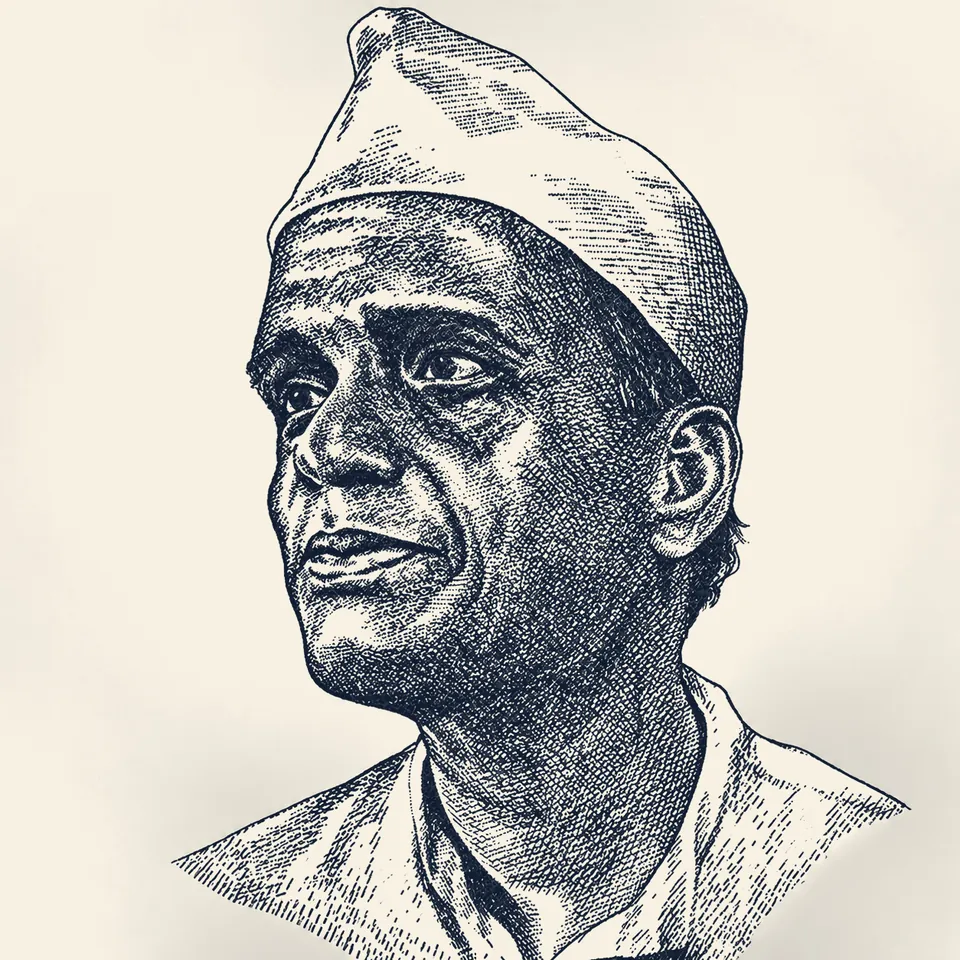
1899–1950Teacher, writer and freedom fighter, whose speeches in Khandesh drew thousands of young people into the freedom movement. Annasaheb is described as his disciple, and the Mandal carries his name. Read more about Sane Guruji
-
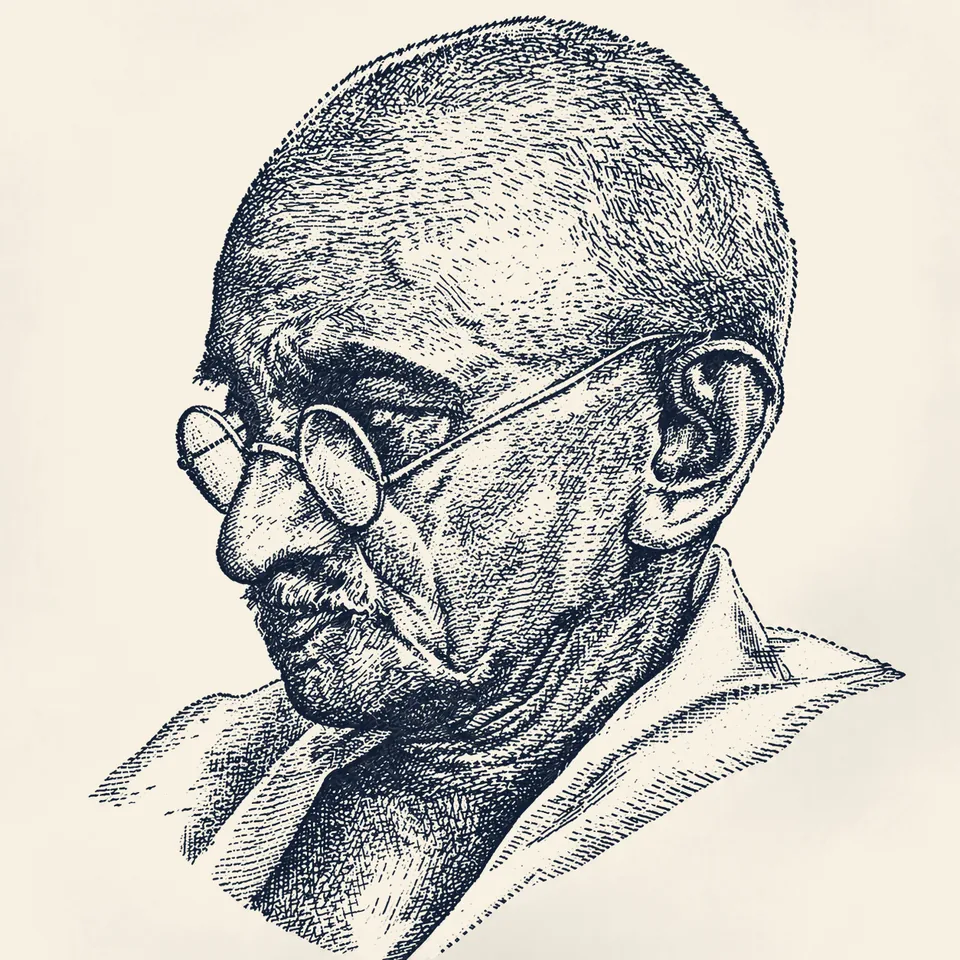 Faith
FaithMahatma Gandhi
1869–1948Leader of India's freedom movement, whose teachings of truth and non-violence shaped a generation. Annasaheb is described as having staunch faith in Gandhian teachings.
-
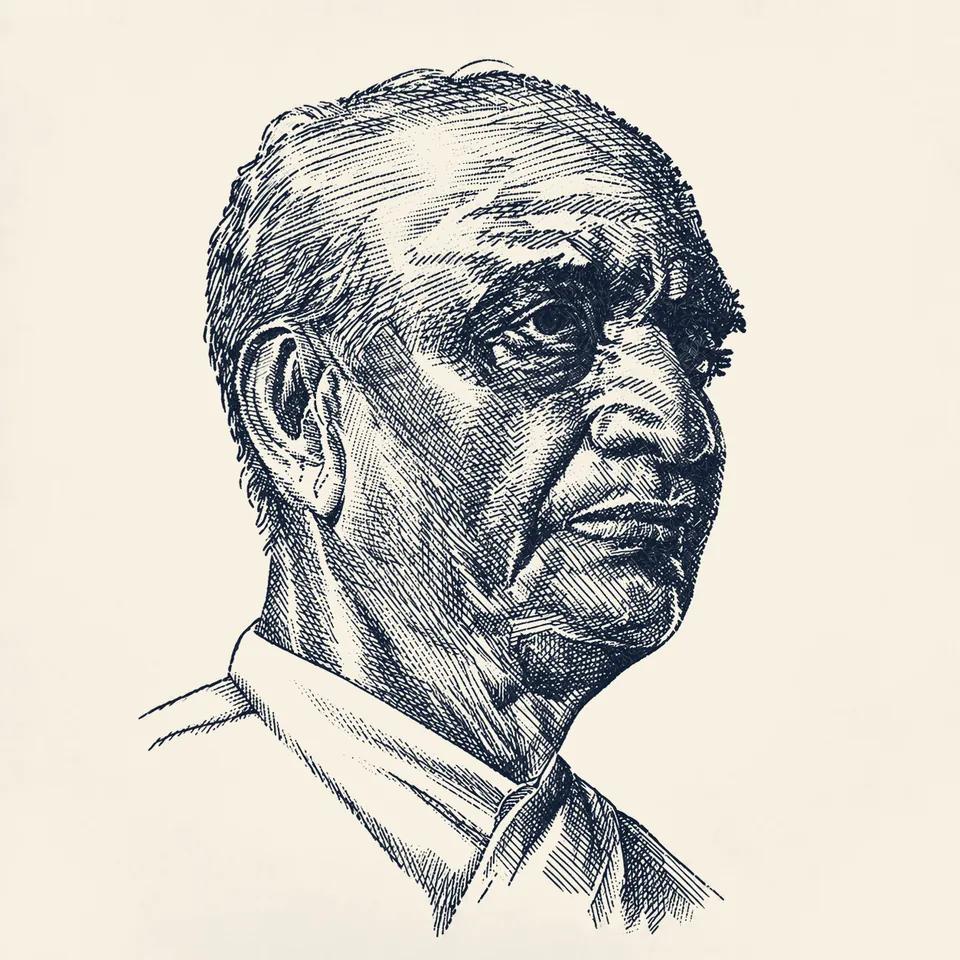 Leadership
Sardar Vallabhbhai Patel
1875–1950Statesman of the freedom movement and independent India's first Deputy Prime Minister. Annasaheb's leadership of the masses is described as guided by the philosophy of Mahatma Gandhi and Sardar Patel.
-
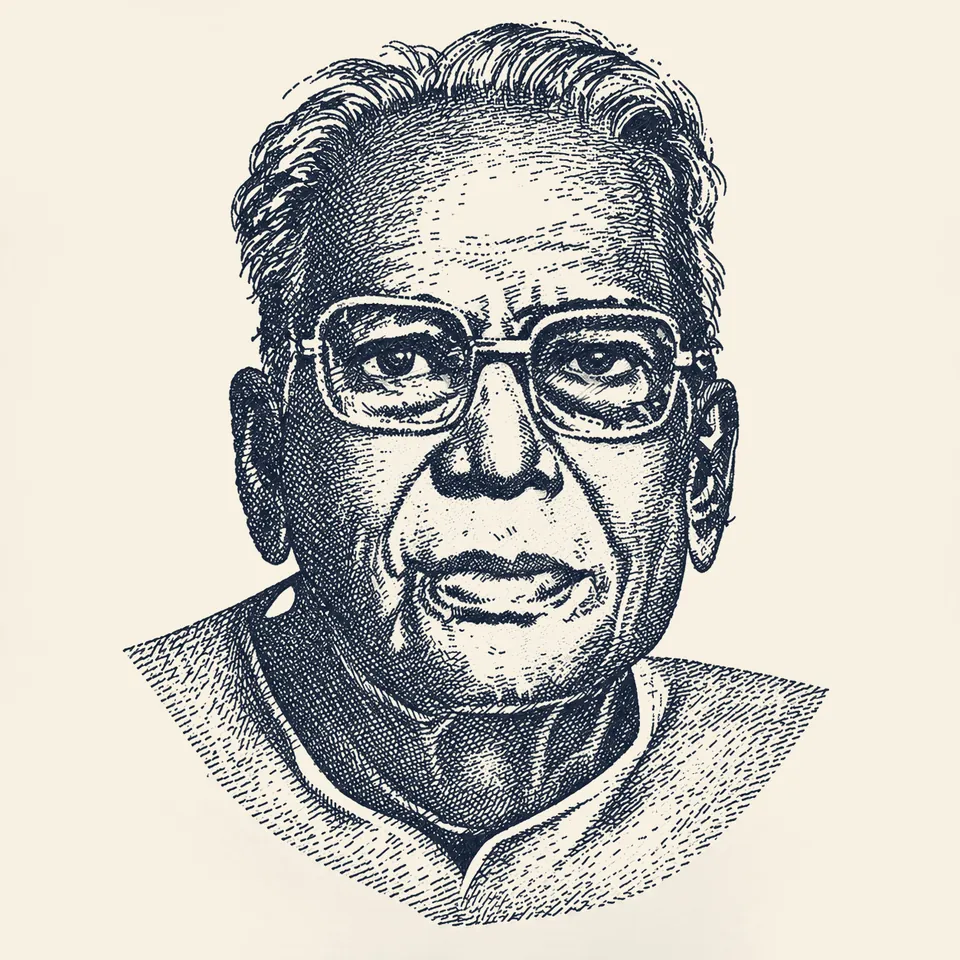 The fourth ideal
Lok Nayak Jayaprakash Narayan
1902–1979Freedom-movement veteran and, later, leader of the Sarvodaya movement, known as Lok Nayak, “the people's leader”. Purushottamnama calls him the fourth ideal of Annasaheb P. K. Patil.
A life in brief
He was born at Lonkheda, near Shahada, and grew into a public figure through the freedom movement, the cooperative movement and the cause of education. The milestones below trace its course.
-
9 October 1923
Born at Lonkheda, near Shahada.
-
1942
Takes part in the Quit India movement at Nandurbar, in the morcha led by the young Shirishkumar Mehta, and is later imprisoned.
-
After his studies
Having studied commerce and law, he settles at Nandurbar to practise as a lawyer, and builds a union of bidi workers with a small cooperative credit society for them.
-
Cooperative banking
Elected a director, and for more than eleven years chairman, of the Dhulia District Central Co-operative Bank.
-
1969
Founds Poojya Sane Guruji Vidya Prasarak Mandal, Shahada.
-
1970
The Mandal's first college, for Arts, Science and Commerce, opens at Shahada. After his father's death, people at Lonkheda ask him to start a cooperative for their farm produce.
-
1971
The first cooperative sugar factory of the area begins at Purushottamnagar.
-
2002
The Kisan Starch Manufacturing Company begins in the cooperative sector at Dhulia, with 50,000 Adivasi farmers as members.
-
18 September 2014
Passes away, having given his working life to cooperation, education and social reform.
Public service and cooperation
His basic nature, the Mandal's account of his life says, was to work for ordinary people. As a lawyer in Nandurbar he built a union for bidi workers and a cooperative credit society to serve them; that urge pulled him into public life, and into the cooperative movement that now marks Khandesh across the state. The Mandal's earlier records add that he represented Shahada three times in the State Legislature and twice chaired its Public Accounts Committee.
The turning point came at Lonkheda in 1970, when local people asked him to start a cooperative for their produce. He held meetings in village after village and persuaded farmers to put in the share capital; their response led to the Shri Satpuda Tapi Parisar Sahakari Sakhar Karkhana at Purushottamnagar in 1971. A chain of cooperative units followed — processing the by-products of sugarcane, then cooperative spinning mills and oilseed plants at Shahada — and, in 2002, the Kisan Starch Manufacturing Company with a membership of 50,000 Adivasi farmers. The Mandal's account credits these enterprises with benefiting lakhs of farmers, farm workers and Adivasis, and records his work in agriculture and lift irrigation as well.
Education as social change
Shahada was home mainly to small farmers and Adivasi families, and the Mandal's account notes that even after Independence there was not a single higher educational institution in this part of the state. For Annasaheb, education was the other half of the work of cooperation: the same families who gained a livelihood through the cooperative movement needed colleges within reach of their villages.
He established the Mandal in 1969 and, in 1970, started its first college, for Arts, Science and Commerce, at Shahada. The Mandal grew from there into the family of institutions described on the Institutes page, and the milestones on the Our Story page trace that growth.
The Mandal, 1969
The Mandal took Sane Guruji's name, and its founder brought to it a way of growing as well as a beginning. The Mandal's own history records a principle he voiced again and again — Deto to Dev, “the one who gives is God” — and says that farming families across the region, moved by it and by their trust in him, gave toward education. In its words, that shared ownership is why a large educational campus could rise at Shahada, on the banks of the Gomai and Susari rivers.
Remembered
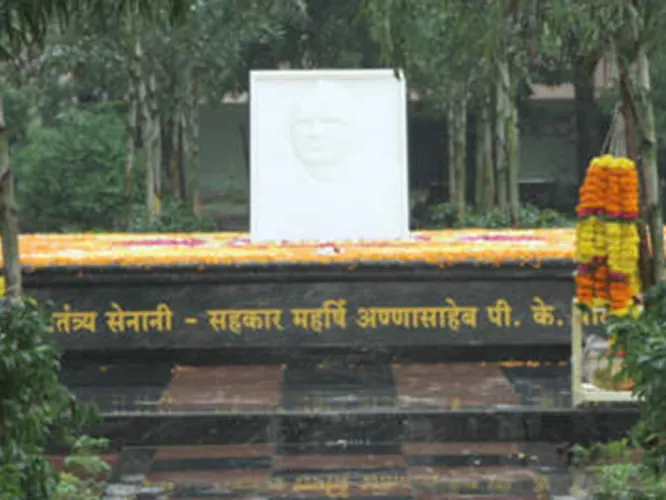
The people of the region gave him two titles: Sahakar Maharshi, for his work in the cooperative movement, and Shikshan Maharshi, for his work in education. His birth anniversary, 9 October, is observed each year as किसान दिन (Farmers' Day) and a day of reflection, and, according to the Mandal's records, the Foundation that bears his name presents the Purushottam Puraskar — one award to an individual and one to an organisation — and holds a health camp on that day.
Books about him
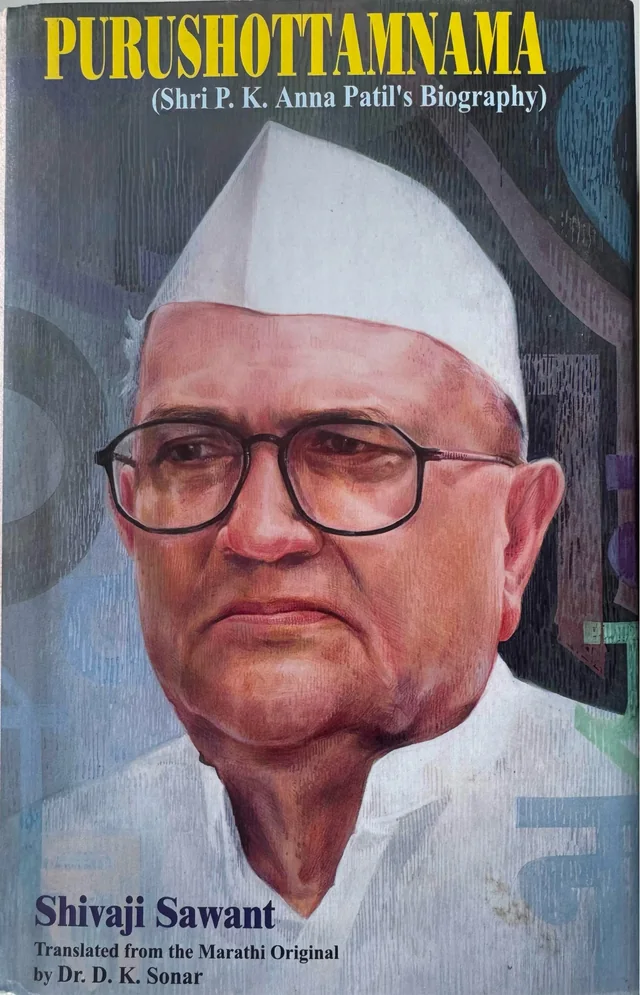
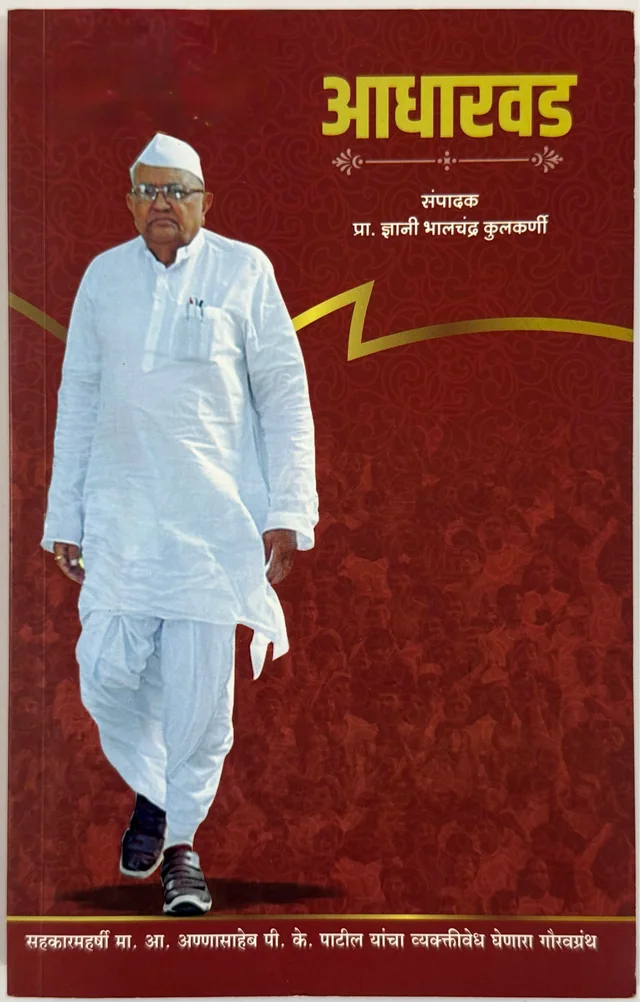
Two published books document Annasaheb's life and contribution, and the Mandal points to them for those who wish to read more. Purushottamnama, a biography by the Marathi novelist Shivaji Sawant, was published in 2003; Sawant came to Shahada as chief guest of the Mahatma Gandhi Vichar Manthan Saptah on the campus and, seeing Annasaheb's work in cooperation, agriculture, irrigation, education and public life, agreed to write it. Aadharwad, edited by Prof. Gyani Bhalchandra Kulkarni, is a tribute volume that gathers the thoughts, opinions and experiences of people from many walks of life about him. Aadharwad is in Marathi; the edition of Purushottamnama shown below is the English translation of Sawant's Marathi original.